

By The Green Parent
02nd May 2019
What is Hayfever?
Hayfever is a seasonal form of allergic rhinitis. Symptoms include itchy, red sore eyes, frequent sneezing, sinusitis and excess catarrh. It can also cause tiredness and irritability. If your child is a sufferer, firstly try to avoid pollen; the worst times are in the morning and evening. Try not to go into high pollen areas at these times. Splashing the face with cold water and bathing the eyes will help to wash away the irritants. It is also possible to apply a barrier ointment such as un-petroleum jelly into the base of the nostrils, which helps to trap the pollen and prevents it from irritating the lining of the nose.
Treatments to try
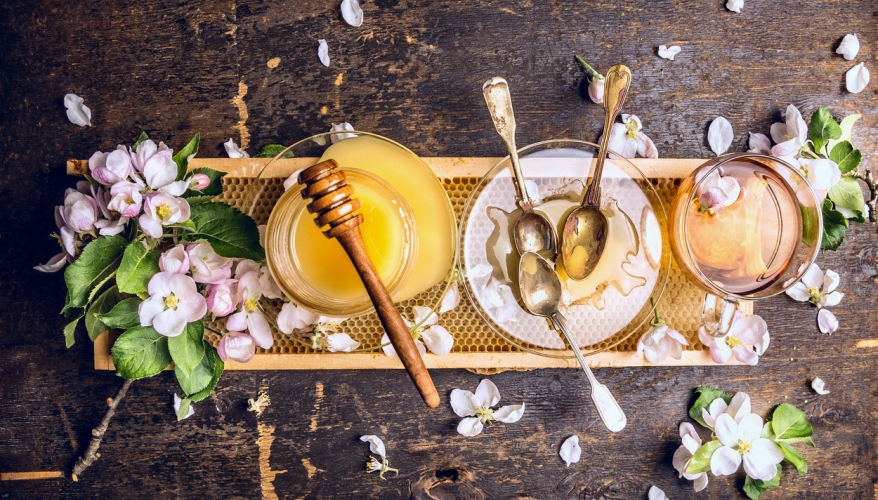
Aloe vera gel or cooled eyebright tea bags can be placed over the eyes to ease discomfort. One approach that can be effective for some people is to take 1 tsp of local honey dissolved in warm water daily for a month before hay fever season starts to desensitise your son against local pollen.
Food triggers
Many hayfever symptoms may be brought under control through dietary change. It is always best to get nutrients from food as they are more easily assimilated by the body. Try to include more of the following foods:
• Garlic helps to reduce excess catarrh, if possible eat a raw clove a day (stir into food after cooking).
• Beta carotene rich foods, such as red and orange veg.
• Dark green foods are also helpful as they help to eliminate excess toxins in the body. Seaweeds are particularly beneficial due to their high mineral content. Try the wild arctic seaweeds at seagreens.com .
• Sprouted seeds and bean sprouts are also nutritious.
Scents and sensibility
Aromatherapy can be beneficial in treating hayfever. Try traditionally soothing essential oils such as Lavender and Chamomile Roman or German. Let your child’s nose be the guide as to which one would be most effective. The oils may be used in massage (just a few drops in a carrier oil) or a few drops may be inhaled from a tissue.